
Top Reasons Why Pet Insurance is Essential for Your Furry Friend
Top Reasons Why Pet Insurance is Essential for Your Furry Friend
Introduction
Every pet owner knows that their furry friends are more than just pets; they're part of the family. Just like any family member, their health and well-being are paramount. Yet, unexpected veterinary bills can be surprisingly hefty, creating financial stress. This is where pet insurance becomes a vital part of responsible pet ownership. In this article, we’ll explore the top reasons why securing insurance for your pet is not just a wise choice, but necessary for their continued health and happiness. From managing veterinary costs to ensuring comprehensive health care, pet insurance offers a safety net that can make all the difference. Let’s dive in and discover how investing in a good pet insurance policy can safeguard your pet’s health and protect your peace of mind.
The Rising Costs of Veterinary Care
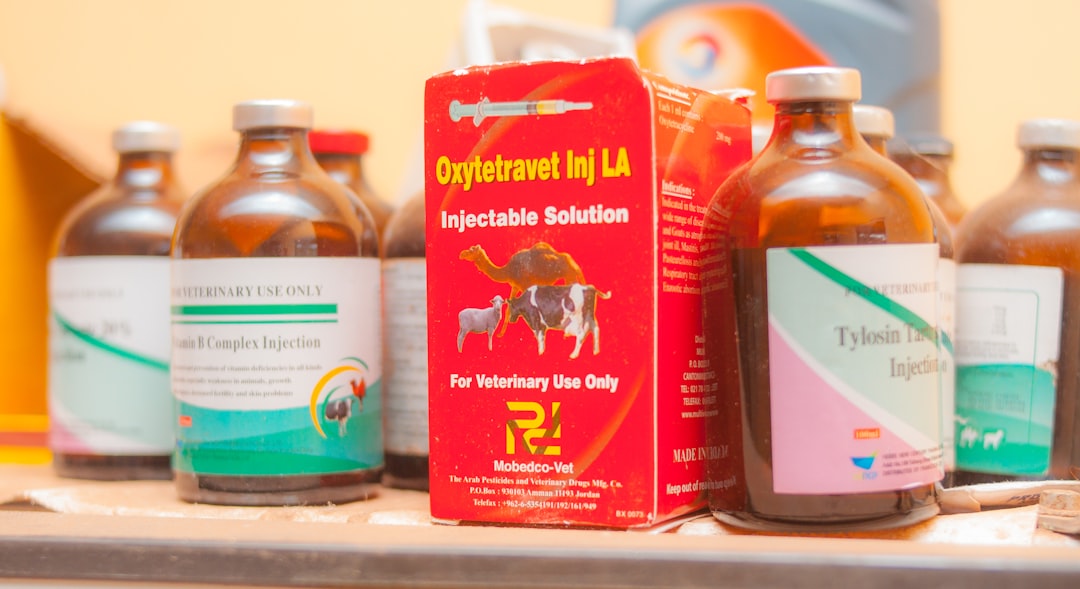 Image courtesy: Unsplash
The cost of veterinary care has seen significant increases over the past few years, driven by various factors that every pet owner should be aware of. Understanding these can help you better prepare for the financial responsibilities involved in caring for a furry friend.
Increase in Pet Ownership
The trend of rising pet ownership has been noticeable, especially following global events such as the pandemic where more people sought the comfort of pets. According to surveys, households with pets have increased substantially, leading to a higher demand for veterinary services. This demand surge affects the overall cost of veterinary care as clinics adjust to higher operational costs and increased service demand. More pets mean more visits to the vet, which can translate to higher costs for pet owners across the board.
Impact of Advanced Veterinary Treatments
Veterinary medicine has made impressive advances over the last decade. Pets can now receive levels of treatment that were once reserved for human care, including cancer therapy, complex surgeries, and advanced diagnostics. However, with these advancements come higher costs. The equipment, medications, and specialist skills needed require significant investment by veterinary practices, which in turn raises the prices of services. Although these innovations in pet care are fantastic for extending the lives and enhancing the well-being of our beloved companions, they can create a substantial financial burden without proper financial planning.
Benefits of Pet Insurance
Given the rising costs and advanced options available in veterinary medicine, pet insurance has become a crucial tool for pet owners. It not only aids in managing unexpected veterinary expenses but also assists in routine pet care. Here are some primary benefits of investing in pet insurance.
Financial Protection for Unexpected Vet Bills
One of the most significant advantages of pet insurance is the financial protection it offers against unforeseen veterinary expenses. Accidents, sudden illnesses, or emergencies can happen at any time, and the costs associated can be substantial. With pet insurance, a considerable portion of these costs is covered. For instance, surgeries and emergency treatments, which can easily run into thousands of dollars, become more manageable. Many pet insurance plans reimburse up to 80-90% of expenses after deductibles, making a huge difference in how owners can afford care.
Coverage for Routine Wellness Care
Pet insurance isn’t only for emergencies. Many providers offer plans that cover or include wellness exams, vaccinations, flea and tick prevention, and even spaying and neutering. This aspect of insurance encourages pet owners to maintain regular vet visits. Regular wellness checks help in early detection of potential health issues, which can significantly reduce the cost and complexity of treatment if dealt with promptly. By having wellness coverage, pet owners are more likely to keep up with essential care, ensuring pets stay healthier over their lifetime.
Peace of Mind for Pet Owners
Beyond the financial benefits, pet insurance provides something perhaps even more valuable: peace of mind. Knowing that you have a financial safety net can relieve the stress associated with making tough decisions about your pet's health based on finances. Pet owners with insurance are less likely to face the heartbreaking decision of "economic euthanasia," a situation where pets are put down because owners cannot afford critical care. Moreover, pet insurance can allow you to choose treatments for your pets without being overly burdened by the cost factor, focusing instead on what is medically best for the pet.
In conclusion, as veterinary care continues to advance and become more expensive, the role of pet insurance becomes increasingly essential. It supports not only in dealing with high emergency costs but also facilitates regular preventive care, which is vital for the long-term health of pets. For anyone committed to providing the best possible care for their furry family members, investing in pet insurance is a wise precaution that safeguards both financial stability and the welfare of your beloved pet.
Factors to Consider When Choosing Pet Insurance
 Image courtesy: Unsplash
Choosing the right pet insurance can be as nuanced as selecting your own health insurance. With an array of options available, understanding the key factors can guide you to the best choice for you and your furry friend.
Types of Coverage Available
The type of coverage offered is the most critical factor to consider when shopping for pet insurance. Typically, there are three main types:
1. Accident-only plans: These are usually the most affordable and cover injuries and emergencies like fractures, bites, and cuts, but not illnesses.
2. Comprehensive plans: These cover both accidents and illnesses and can also include chronic and hereditary conditions (depending on the plan).
3. Wellness coverage: Often offered as an add-on, this covers routine vet visits and preventive care such as vaccinations and annual check-ups.
When choosing among these, consider your pet's age, breed, and known health issues. Younger pets might benefit from comprehensive plans covering a broader scope as they age, while older pets might need more immediate accident or illness coverage.
Cost of Premiums
Premium costs can vary widely based on several factors including your pet's age, breed, and the region you live in. Typically, more comprehensive plans come with higher premiums but offer more extensive coverage. Here’s what usually affects your premium:
- Deductible: The amount you pay out-of-pocket before the insurance kicks in. A higher deductible usually leads to lower premiums.
- Reimbursement level: The percentage of the vet bill the insurance covers after the deductible. The higher the reimbursement level, the higher the premium.
- Annual limit: The maximum amount the insurance company will pay in a year. Lower limits typically mean lower premiums.
It's essential to balance the monthly cost you can afford with the type of coverage your pet might need. Sometimes paying a bit more monthly can save you significantly on unexpected veterinary bills.
Exclusions and Limitations
Understanding what is not covered by your pet insurance policy is just as important as understanding what is. Most policies have exclusions which can include:
- Pre-existing conditions: Illnesses or injuries your pet had before coverage starts are typically not covered.
- Breed-specific exclusions: Some genetic or hereditary conditions associated with certain breeds may not be covered.
- Age exclusions: Some insurers may not cover pets beyond a certain age or may have limited coverage for older pets.
Always read the fine print and ask about any limitations or exclusions that could impact the usefulness of the policy for your pet’s specific needs.
Case Studies: How Pet Insurance Saved the Day
 Image courtesy: Unsplash
Real-life examples showcase just how vital pet insurance can be in a crisis. These stories highlight the relief and financial security that insurance can provide during stressful times.
Emergency Surgery Coverage
Imagine rushing your pet to the emergency room after they swallowed something they shouldn't have. For one pet owner, this nightmare scenario was mitigated by having a comprehensive pet insurance plan that covered emergency surgical procedures. The total cost of the surgery and aftercare amounted to over $3,000, but thanks to their pet insurance, they were responsible for just a small fraction of that cost. This not only ensured the pet received immediate care without delay but also safeguarded the owner's finances.
Chronic Illness Management
Chronic conditions can be financially draining over time. Consider the case of a dog diagnosed with diabetes. Ongoing expenses for insulin, regular vet visits, and occasional emergency situations can sum up to thousands of dollars annually. However, with the right pet insurance plan, the owners were able to manage these costs effectively. Insurance coverage allowed them to focus on the proper treatment of their dog rather than worrying about how they would afford the next vet bill.
These examples clearly reflect the importance of pet insurance in managing unexpected medical expenses and providing pet owners peace of mind. Whether it’s an unforeseen emergency or a chronic condition, pet insurance plays a pivotal role in ensuring the best care for pets while protecting owners from extreme financial burden.
Tips for Managing Pet Insurance Costs
Managing your pet insurance costs effectively ensures that you can provide the best care for your pet without breaking the bank. Here are a few tips for keeping costs manageable while still getting comprehensive coverage.
Choosing the Right Deductible
One of the first decisions you'll face when selecting a pet insurance policy is choosing the right deductible. This is the amount you'll pay out-of-pocket before your insurance starts to cover costs. A higher deductible generally means lower monthly premiums, but it also means you'll pay more out of pocket when you make a claim. Consider your financial situation and how much you could reasonably afford to pay in the case of an emergency. For pets that are young and generally healthy, a higher deductible might make sense as you'll likely need fewer vet visits. In contrast, if your pet is older or has health issues, a lower deductible might be more cost-effective in the long run.
Utilizing Wellness Plans
Many pet insurance companies offer wellness plans as an add-on to standard insurance policies. These plans cover routine care, such as vaccinations, annual exams, and sometimes even dental work, which are not typically covered under standard policies. Investing in a wellness plan can be a great way to manage costs throughout the year and ensure your pet maintains good health. This proactive approach can help avoid more significant, expensive treatments down the line as regular check-ups can catch issues before they become serious.
Evaluating Providers
When looking for a pet insurance provider, it's crucial to evaluate and compare what different companies offer. Look beyond just the price and consider:
- The coverage options: What is and isn’t covered?
- Customer service: Are they responsive and helpful?
- Claims process: Is it straightforward and user-friendly?
- Reviews and ratings: What do other pet owners say about their experience?
- Customization options: Can you tailor the policy to your needs?
- Network of vets: Are you restricted to certain veterinarians or clinics?
Taking the time to thoroughly research and compare providers can save you a lot of hassle and money in the long run. Opt for a provider that balances cost with quality service and comprehensive coverage to get the most out of your pet insurance.
Implementing these tips can help you navigate the complexities of pet insurance and choose a plan that fits both your budget and your pet’s needs. In managing pet insurance costs effectively, you’ll feel more secure in your ability to provide the best possible care for your furry friend.
Conclusion
In conclusion, investing in pet insurance is a wise choice for any pet owner. It not only ensures that your furry friends receive the care they need without financial strain but also allows you to enjoy peace of mind, knowing you are prepared for any health issues they may encounter. From helping with costly veterinary bills to encouraging regular wellness checks, pet insurance supports both your pet’s health and your financial stability. Remember, a healthy pet is a happy pet, and pet insurance helps keep it that way!
Question: What is pet insurance?
Answer: Pet insurance is a health coverage plan for your pets that helps cover the cost of veterinary care, including treatments for accidents, illnesses, and sometimes even routine check-ups.
Question: Why is pet insurance important for my pet?
Answer: Pet insurance ensures you can provide the best possible care for your pet without worrying about high veterinary bills. It can save you from unexpected expenses and give you peace of mind.
Question: Can pet insurance help with emergency veterinary costs?
Answer: Yes, most pet insurance plans cover emergency vet visits and the costs associated with treatments, surgeries, or medications needed during an emergency.
Question: Does pet insurance cover routine check-ups?
Answer: Some pet insurance plans offer coverage for routine care, including vaccinations, dental cleanings, and wellness exams, but it typically depends on the plan you choose.
Question: Will pet insurance cover chronic conditions?
Answer: Many pet insurance plans cover chronic conditions such as diabetes, arthritis, or allergies, as long as they are not pre-existing conditions when the policy is purchased.
Question: Are there different types of pet insurance plans?
Answer: Yes, there are several types of plans, including accident-only, accident and illness, and comprehensive plans that cover routine care. Each type has its own coverage details and costs.
Question: How does pet insurance work with pre-existing conditions?
Answer: Generally, pet insurance does not cover pre-existing conditions, which are health issues your pet already has before you purchase the insurance policy. Some plans may cover curable pre-existing conditions after a waiting period.
Question: Do all pets qualify for insurance coverage?
Answer: Most dogs and cats are eligible for pet insurance, but some insurers have age limits or breed restrictions. It’s best to check with the insurance provider for specific eligibility requirements.
Question: How do I choose the right pet insurance plan?
Answer: Consider factors like coverage options, monthly premiums, deductibles, and the insurer’s reputation. Reading reviews and comparing multiple plans can help you find the best fit for your pet’s needs.
Question: Is pet insurance worth the cost?
Answer: For many pet owners, pet insurance is worth the cost because it helps manage unexpected veterinary bills and ensures that their pets get the necessary medical care without financial stress. It’s an investment in your pet’s health and your peace of mind.
The Importance of Pet Insurance for Your Furry Friend
Discover why pet insurance is crucial for your furry friend's health and financial well-being.
Discover the Top Reasons Why Pet Insurance is a must for your furry companion! 🐾 From covering veterinary costs to ensuring your pet's well-being, pet insurance provides peace of mind. Learn more about the importance of pet insurance and how it can benefit your pet's health and your wallet. 🐶 Check out the full blog outline now! #petinsurance #petwellness #veterinarycosts #pethealth #petownership #blogpost #mustread